EMDR -Therapy

Eye Movement Desensitization and Reprocessing (EMDR) is a structured, effective psychotherapy developed by Dr. Francine Shapiro in the late 1980s. It was originally designed to treat the distress associated with traumatic memories, but has since proven effective for a wide range of mental health issues, including anxiety, depression, phobias, and complex grief.
EMDR is based on the idea that psychological difficulties often stem from unprocessed memories of distressing life-events. These memories can be saved in a wrong location of your brain and continue to trigger emotional and physiological symptoms long after the event has passed.
During EMDR sessions, the therapist guides the client through a series of bilateral stimulations—typically eye movements, while the client briefly focuses on aspects of a traumatic or troubling memory. This process helps the brain to rewire the trauma related neuronal networks and integrate these to new, adaptive neuronal associations. The emotional distress will dinimish.
Unlike many exposure based traumamethods, EMDR requires neither a detailed describtion of the trauma nor engaging in prolonged exposure to distressing material. Instead, the focus is on activating the brain’s natural healing mechanisms.
The essential benefits of EMDR include a rather rapid symptom relief. Sometimes you can reach a noticeable symptom relief already after few sessions. Major organizations such as the World Health Organization (WHO), American Psychiatric Association (APA), and UK’s National Institute for Health and Care Excellence (NICE) recognize EMDR as an effective treatment for trauma and related disorders.
EMDR may only be used by appropriately trained professionals. In Switzerland, the prerequisite is a completed basic therapeutic training, e.g., for psychological psychotherapists and psychiatrists. Accredited further training in EMDR is also required – usually through an EMDR specialist institute with supervision and practical components.
Anyone suffering from persistent stress should consult a qualified professional to determine whether EMDR can be a suitable support. Praxis Kinnunen has at the moment openings for EMDR-Therapy.
Discretion and Trust
Trust is essential in trauma therapy; Ms. Kinnunen guarantees a respectful and confidential approach to your concerns. Clients can be assured that their problems will be addressed in a safe space where they will be heard without prejudice.
Experience in EMDR
The Kinnunen practice offers a variety of therapy approaches that can be tailored to your needs. Ms. Kinnunen is using EMDR since 2014, and visiting regularly different EMDR -Workshops.
Individual and Respectful Contact
At Kinnunen's private practice in Zurich, the focus is on the individual. You will receive individually tailored therapy that takes your specific challenges and needs into account. The practice's atmosphere is warm and welcoming, helping clients feel safe and openly discuss their concerns.
Qualified Therapist
Ms. Kinnunen is an experienced therapist with extensive training and in-depth knowledge in psychotraumatology and psychotherapy.
M.Sc. in Psychology
M.Sc. in Comparative Religion
Federally Certified Psychotherapist
Europa accredited EMDR Practitioner
Supervisor
Couples Therapist
Located on Bahnhofstrasse, Zurich
Central Station and various parking garages are easily accessible.
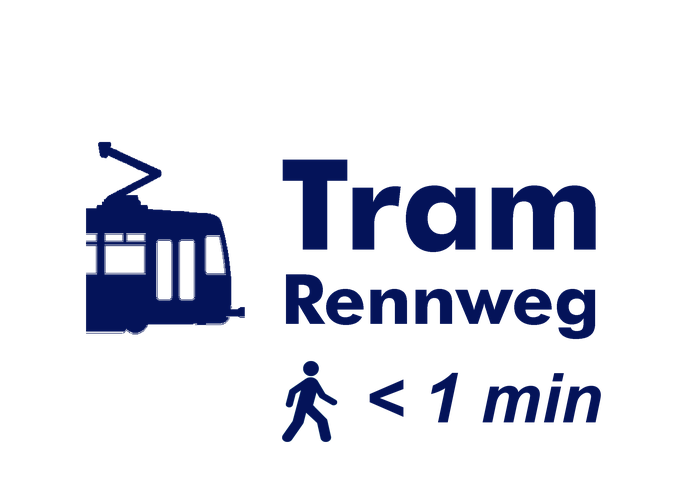
Tram stop in front of the building.


Fast & Flexible Appointments
The private practice offers flexible appointment times that can be easily integrated into your daily routines. This allows for continuous therapy even with busy schedules, without compromising your work and familylife.
Appointments are available Monday to Saturday, from 7 a.m. to 6 p.m.
EMDR- Therapy
Eye movement desentifization and reprocessing in Zurich
Privatpraxis Kinnunen – Psychotherapie, Traumatherapie & EMDR in Zürich
Praxis an der Bahnhofstrasse 56, 8001 Zürich, Schweiz
Traumatherapie Zürich | EMDR Zürich | Paartherapie Zürich